


Your Basket is Empty!





Car Tyres – A Complete Guide to Choosing and Maintaining the Right Tyres
Understanding the Importance of Car Tyres
Car tyres are one of the most important safety components on any vehicle. They are the only point of contact between your vehicle and the road surface, making them critical for steering, braking, acceleration, handling, and overall driving stability. No matter how advanced your vehicle's braking system, suspension, or safety features may be, their performance ultimately depends on the condition and quality of the tyres fitted to the vehicle.
Modern car tyres are highly engineered products designed to provide maximum grip, comfort, durability, and efficiency across a wide range of driving conditions. Choosing the right tyres and maintaining them correctly can significantly improve vehicle safety, fuel economy, and driving performance.
How Car Tyres Work
A tyre's primary function is to create a contact patch between the vehicle and the road. This contact patch allows the transfer of forces generated during:
- Acceleration
- Braking
- Cornering
- Steering
Modern tyres use advanced rubber compounds, steel belts, textile reinforcements, and sophisticated tread patterns to maximise grip while maintaining durability and comfort.
Every tyre is designed to balance several performance characteristics, including:
- Wet grip
- Dry handling
- Rolling resistance
- Noise levels
- Longevity
- Load carrying capacity
Understanding Tyre Markings
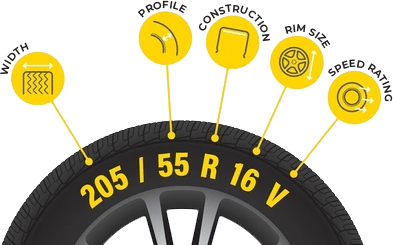
Every tyre contains important information printed on its sidewall.
For example:
205/55 R16 91V
This information indicates:
- 205 – Tyre width in millimetres
- 55 – Aspect ratio (sidewall height as a percentage of width)
- R – Radial construction
- 16 – Wheel diameter in inches
- 91 – Load index
- V – Speed rating
Using the correct tyre size and specification is essential for maintaining vehicle safety and manufacturer performance standards.
Types of Car Tyres
Different tyres are designed for different driving conditions and vehicle requirements.
Summer Tyres
Summer tyres are designed to perform optimally in temperatures above 7°C.
Benefits include:
- Excellent dry grip
- Strong wet weather performance
- Responsive handling
- Improved fuel efficiency
Summer tyres are the most common tyre type fitted to vehicles in the UK.
Winter Tyres
Winter tyres use specialised rubber compounds that remain flexible in cold temperatures.
Advantages include:
- Improved grip below 7°C
- Enhanced traction on snow and ice
- Better winter braking performance
- Increased cold-weather safety
All-Season Tyres
All-season tyres are designed to provide balanced performance throughout the year.
They offer:
- Good summer performance
- Improved winter capability
- Convenience of year-round use
- Versatility in varying weather conditions
The Importance of Tyre Tread
The tread pattern is responsible for dispersing water, maintaining grip, and providing traction.
As tyres wear, their ability to clear water reduces, increasing the risk of aquaplaning and reduced braking performance.
The legal minimum tread depth in the UK is:
1.6mm across the central three-quarters of the tyre circumference.
However, many tyre experts recommend replacing tyres before they reach this minimum limit to maintain optimum performance and safety.
Tyre Pressure and Performance
Correct tyre pressure is vital for safe and efficient driving.
Underinflated tyres can cause:
- Increased fuel consumption
- Accelerated tyre wear
- Reduced handling
- Higher risk of tyre failure
Overinflated tyres may result in:
- Reduced road contact
- Uneven tread wear
- Harsher ride quality
- Reduced grip
Regular tyre pressure checks help maximise tyre life and maintain vehicle safety.
Common Causes of Tyre Wear
Tyres naturally wear over time, but certain factors can accelerate the process.
Common causes include:
Incorrect Wheel Alignment
Poor alignment can cause uneven tyre wear and reduce tyre lifespan.
Incorrect Tyre Pressures
Improper inflation places additional stress on the tyre structure.
Worn Suspension Components
Damaged suspension parts can affect tyre contact with the road surface.
Aggressive Driving
Frequent hard braking, rapid acceleration, and high-speed cornering can increase tyre wear.
Regular maintenance and inspections help identify these issues before significant tyre damage occurs.
Tyre Safety Checks
Drivers should inspect their tyres regularly for signs of damage or deterioration.
Important checks include:
- Tread depth
- Tyre pressure
- Sidewall condition
- Bulges or cracks
- Uneven wear patterns
- Embedded objects
- Valve condition
Early identification of problems can help prevent breakdowns and costly repairs.
Benefits of Premium Quality Tyres
While budget tyres may appear attractive from a cost perspective, premium tyres often provide significant advantages.
Benefits may include:
- Shorter braking distances
- Better wet weather performance
- Lower road noise
- Improved fuel efficiency
- Longer tread life
- Enhanced driving comfort
Leading tyre manufacturers invest heavily in research and development to improve tyre safety and performance.
Popular premium tyre brands include:
- Michelin
- Continental
- Goodyear
- Bridgestone
- Pirelli
- Dunlop
- Yokohama
- Hankook
When Should Car Tyres Be Replaced?
Tyres should be replaced if they show signs of:
- Low tread depth
- Sidewall damage
- Cracking
- Bulges
- Uneven wear
- Repeated pressure loss
- Structural damage
Even if tread depth remains acceptable, ageing tyres may deteriorate over time and should be inspected regularly.
Conclusion
Car tyres play a critical role in every aspect of vehicle performance and safety. From maintaining grip and handling to supporting braking efficiency and fuel economy, properly maintained tyres are essential for safe driving.
Understanding tyre types, pressure requirements, tread wear, and maintenance practices allows motorists to make informed decisions and maximise the lifespan of their tyres.
Regular inspections, correct inflation, and timely replacement help ensure your vehicle continues to perform safely and efficiently in all driving conditions.