


Your Basket is Empty!





Performance Tyres – Engineered for Maximum Grip, Precision and Control
Understanding Performance Tyres
Performance tyres are specifically designed for drivers who demand higher levels of handling, responsiveness, braking performance, and road grip than standard passenger car tyres can provide. Developed using advanced tyre technology, specialised rubber compounds, and precision engineering, performance tyres are commonly fitted to sports cars, performance saloons, luxury vehicles, hot hatches, and high-powered SUVs.
Unlike conventional touring tyres, performance tyres are engineered to maximise contact with the road surface, improve steering feedback, and deliver exceptional stability at higher speeds. Whether you're driving on motorways, country roads, or navigating challenging bends, performance tyres are designed to enhance vehicle dynamics and driving confidence.
What Makes a Performance Tyre Different?
Modern performance tyres differ significantly from standard tyres in terms of design, construction, and materials.
Their development focuses on:
- Enhanced dry and wet grip
- Improved cornering stability
- Faster steering response
- Reduced braking distances
- High-speed stability
- Improved vehicle control
Manufacturers invest heavily in research and development to ensure performance tyres can withstand the increased demands generated by modern high-performance vehicles.
Advanced Performance Tyre Technology
High-Grip Rubber Compounds
One of the most important features of a performance tyre is its specialised tread compound.
Performance tyres typically use silica-rich compounds and advanced synthetic rubber blends that maximise friction between the tyre and road surface.
Benefits include:
- Superior grip levels
- Enhanced braking performance
- Improved cornering capability
- Better traction during acceleration
These compounds are designed to remain stable under high temperatures generated during spirited driving and motorway use.
Reinforced Internal Construction
Performance tyres feature stronger internal structures than many standard tyres.
This may include:
- High-tensile steel belts
- Reinforced sidewalls
- Advanced carcass construction
- Enhanced shoulder support
These features help maintain tyre shape and stability under high loads and cornering forces.
Optimised Contact Patch
The contact patch refers to the area of tyre touching the road surface.
Performance tyres are engineered to maximise this contact area during:
- Acceleration
- Braking
- High-speed cornering
A larger and more stable contact patch improves grip and overall vehicle control.
Tread Design and Road Performance
The tread pattern plays a major role in determining tyre behaviour.
Modern performance tyres typically feature:
Large Shoulder Blocks
Large outer tread blocks provide additional support during cornering and help improve steering precision.
Continuous Centre Ribs
A solid centre rib improves straight-line stability and enhances steering response.
Water Evacuation Channels
Wide circumferential grooves efficiently remove water from the contact patch, reducing aquaplaning risks.
Asymmetric Tread Patterns
Many performance tyres use asymmetric designs that optimise dry handling on one side of the tyre while improving wet-weather performance on the other.
These design features allow performance tyres to maintain exceptional grip across a variety of road conditions.
Benefits of Performance Tyres
Superior Handling
Performance tyres are designed to respond quickly to steering inputs, providing greater accuracy and control.
Drivers often notice:
- Sharper steering response
- Improved cornering stability
- Better vehicle balance
- Enhanced driving confidence
Shorter Braking Distances
High-grip compounds and advanced tread designs help reduce stopping distances on both dry and wet roads.
This can significantly improve safety during emergency braking situations.
Improved High-Speed Stability
Performance tyres are engineered to remain stable at motorway speeds and beyond.
Their reinforced construction helps minimise tread movement and maintains consistent road contact.
Enhanced Wet Weather Performance
Modern performance tyres incorporate sophisticated water evacuation technology to maintain grip during heavy rainfall and reduce aquaplaning risks.
Understanding Speed Ratings
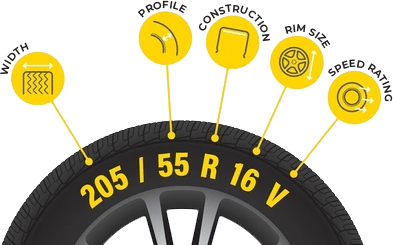
Performance tyres are often manufactured with higher speed ratings than standard tyres.
Common speed ratings include:
- V – Up to 149 mph (240 km/h)
- W – Up to 168 mph (270 km/h)
- Y – Up to 186 mph (300 km/h)
The speed rating indicates the maximum speed the tyre is designed to sustain safely under controlled conditions.
It is important to always fit tyres that meet or exceed the manufacturer's recommended speed rating.
Performance Tyres and Vehicle Safety Systems
Modern vehicles are equipped with advanced safety technologies including:
- Anti-Lock Braking Systems (ABS)
- Electronic Stability Control (ESC)
- Traction Control Systems
- Torque Vectoring Systems
These technologies rely heavily on tyre grip to function effectively.
Fitting quality performance tyres helps maximise the effectiveness of these systems by providing greater traction and road contact.
Who Should Consider Performance Tyres?
Performance tyres are particularly suitable for:
- Sports cars
- Performance hatchbacks
- Executive saloons
- Luxury vehicles
- High-performance SUVs
- Enthusiast drivers
Even motorists who primarily drive on public roads can benefit from the improved safety, braking, and handling characteristics offered by performance tyres.
Maintaining Performance Tyres
To maximise performance and lifespan, regular maintenance is essential.
Important maintenance practices include:
- Checking tyre pressures regularly
- Monitoring tread depth
- Performing wheel alignment inspections
- Ensuring correct wheel balancing
- Inspecting tyres for damage
- Rotating tyres where appropriate
Performance tyres often experience greater loads than standard tyres, making maintenance particularly important.
Popular Performance Tyre Manufacturers
Several leading manufacturers produce high-performance tyre ranges including:
- Michelin Pilot Sport Series
- Continental SportContact Series
- Goodyear Eagle F1 Series
- Pirelli P Zero Series
- Bridgestone Potenza Series
- Yokohama Advan Series
- Hankook Ventus Series
- Falken Azenis Series
Conclusion
Performance tyres represent the highest level of tyre engineering available for road vehicles. Through advanced rubber compounds, reinforced construction, sophisticated tread designs, and precision manufacturing, they deliver exceptional grip, braking performance, handling, and stability.
Whether fitted to a sports car, luxury vehicle, or performance SUV, quality performance tyres can dramatically improve driving dynamics, increase safety, and provide a more engaging driving experience. For drivers seeking maximum control and confidence behind the wheel, performance tyres remain one of the most effective vehicle upgrades available.