


Your Basket is Empty!





Winter Tyres – Advanced Cold Weather Tyre Technology Explained
Understanding Winter Tyres
Winter tyres are specifically engineered to provide superior grip, handling, braking performance, and safety in cold weather conditions. Unlike standard summer tyres, winter tyres are designed to perform effectively when temperatures fall below 7°C, making them an important consideration for drivers who regularly encounter cold, wet, icy, or snowy roads.
Many motorists assume winter tyres are only beneficial during heavy snowfall. In reality, their greatest advantage comes from their ability to maintain flexibility and grip in low temperatures, even on dry roads. Modern winter tyres use advanced rubber compounds and specialised tread designs that significantly improve vehicle control during the colder months.
Why Standard Tyres Struggle in Winter
The performance of any tyre is heavily influenced by temperature.
Summer tyres are designed to operate efficiently in warmer conditions. As temperatures drop, the rubber compound becomes harder and less flexible. This reduces the tyre's ability to conform to the road surface and decreases available grip.
When road temperatures fall below 7°C, this hardening effect can result in:
- Reduced traction
- Longer braking distances
- Less effective cornering
- Reduced steering response
- Increased risk of skidding
Winter tyres are specifically developed to overcome these limitations.
The Science Behind Winter Tyres
Winter tyres differ from summer tyres in three key areas:
Specialised Rubber Compound
The most significant difference is the tyre compound itself.
Winter tyres use a high-silica rubber compound that remains flexible in low temperatures. This flexibility allows the tyre to maintain maximum contact with the road surface, improving grip and stability.
The compound helps enhance:
- Cold weather traction
- Wet road performance
- Ice and snow grip
- Braking efficiency
Even on cold, dry roads, this increased flexibility provides a noticeable improvement in handling and safety.
Advanced Tread Design
Winter tyres feature deeper and more aggressive tread patterns than summer tyres.
The tread is designed to:
- Disperse water efficiently
- Remove slush from the contact patch
- Improve snow traction
- Reduce aquaplaning risks
The larger voids between tread blocks allow snow and slush to be expelled effectively, helping maintain road contact.
High Density Sipes
Sipes are the small cuts found across winter tyre tread blocks.
These microscopic grooves create thousands of additional biting edges that improve traction on slippery surfaces.
Sipes help:
- Increase grip on snow
- Improve ice traction
- Enhance braking performance
- Improve cornering stability
This technology is one of the primary reasons winter tyres outperform standard tyres during cold weather.
Winter Tyres and Braking Performance
One of the most important advantages of winter tyres is improved braking efficiency.
Independent testing consistently demonstrates that winter tyres can significantly reduce stopping distances when temperatures are low.
On cold roads, winter tyres typically provide:
- Shorter braking distances
- Better emergency stopping performance
- Improved directional stability
- Enhanced driver confidence
These benefits become even more pronounced in snowy or icy conditions where traction levels are naturally reduced.
Winter Tyres and Snow Performance
Snow creates unique challenges for tyre manufacturers.
Interestingly, snow can sometimes grip snow more effectively than rubber grips snow.
Winter tyre tread patterns are specifically designed to compact snow within the tread blocks, increasing traction through a snow-on-snow contact effect.
This allows winter tyres to:
- Accelerate more effectively
- Climb hills more easily
- Improve steering control
- Maintain stability in deep snow
For drivers living in areas regularly affected by snowfall, winter tyres can dramatically improve vehicle mobility and safety.
Winter Tyres and Wet Roads
Cold weather is often accompanied by rain, standing water, and slush.
Winter tyres are highly effective in wet conditions due to:
- Flexible tread compounds
- Enhanced water evacuation channels
- Increased road contact
- Improved traction characteristics
These features help reduce aquaplaning risks and maintain vehicle stability during poor weather conditions.
Are Winter Tyres Suitable for Everyday Driving?
Absolutely.
Many people incorrectly assume winter tyres should only be fitted when snow is forecast. In reality, they are designed for all driving conditions commonly experienced during winter months.
Winter tyres perform exceptionally well on:
- Cold dry roads
- Wet roads
- Frost-covered roads
- Slush-covered roads
- Snow-covered roads
Their primary advantage comes from low-temperature performance rather than snow capability alone.
Identifying Winter Tyres
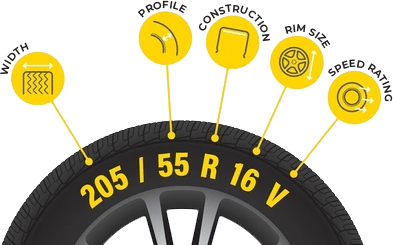
Genuine winter tyres can usually be identified by specific sidewall markings.
Common markings include:
- M+S (Mud and Snow)
- Three-Peak Mountain Snowflake Symbol (3PMSF)
The Three-Peak Mountain Snowflake symbol indicates the tyre has passed recognised winter performance testing standards.
Winter Tyre Maintenance
To maximise safety and performance, winter tyres should be inspected regularly.
Important maintenance checks include:
- Tyre pressure monitoring
- Tread depth inspections
- Wheel balancing
- Wheel alignment checks
- Sidewall condition inspections
Proper maintenance helps ensure winter tyres continue performing effectively throughout the season.
Benefits of Winter Tyres
Winter tyres provide numerous advantages for motorists driving in colder weather:
- Improved cold weather grip
- Enhanced braking performance
- Better steering response
- Increased snow and ice traction
- Reduced aquaplaning risk
- Improved vehicle stability
- Greater driver confidence
These benefits contribute significantly to overall road safety during the winter months.
Conclusion
Winter tyres are one of the most effective safety upgrades available for cold-weather driving. Through specialised rubber compounds, advanced tread designs, and enhanced traction technology, they provide significantly better grip, braking performance, and vehicle control whenever temperatures fall below 7°C.
Whether facing frost-covered roads, heavy rain, slush, or snow, winter tyres help drivers maintain control and improve safety throughout the most challenging driving conditions of the year.